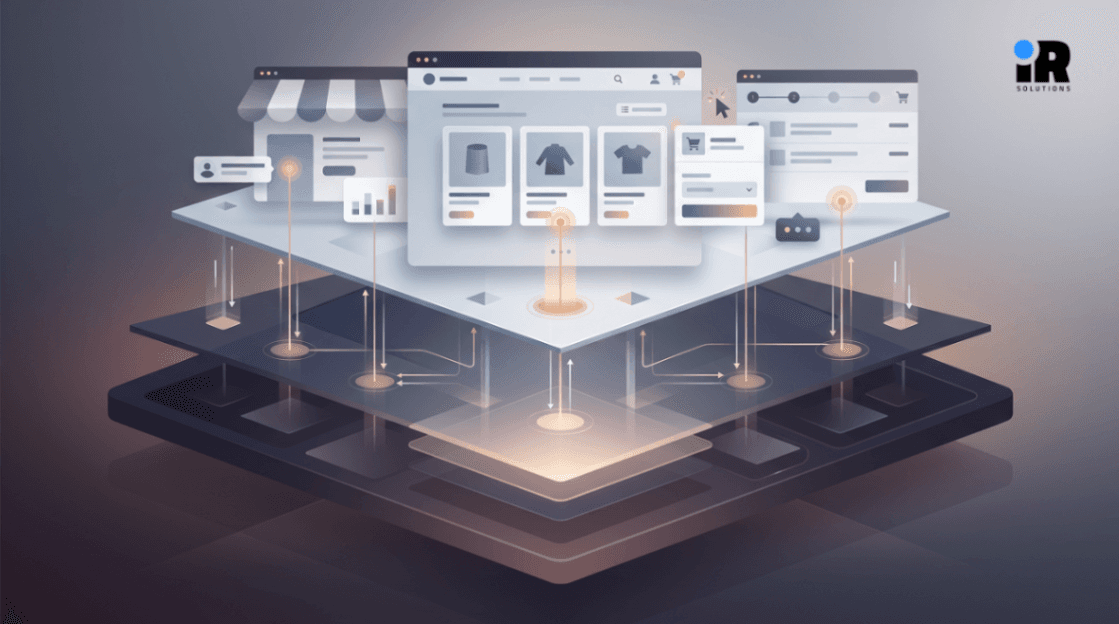




Small businesses face hard challenges selling online. Limited resources, tech struggles, and competition make growth difficult to achieve. Shopify offers tools to simplify online selling, manage products, and reach customers globally. Small brands can compete with big e-commerce giants using smart tools and simple setups without large budgets or teams. With Shopify, local brands can build stores, accept payments, and manage orders without complex setups or large investments.
Why Small Businesses Choose Shopify Over Other Platforms
Shopify is very simple to use. It does not need coding or design experience. The platform offers clear pricing and useful apps. Businesses can launch quickly and modify their stores. Shopify also connects with social media and marketplaces. This helps small sellers gain more visibility and traffic. Other platforms can be confusing or need a heavy setup. Shopify saves time and money by running hosting, security, and updates.
Tools That Help Small Businesses Sell More
Shopify offers built-in tools that help owners sell smarter. They can track orders, manage stock, and study reports in one place.
- Shopify POS helps physical shops connect online sales with in-store inventory.
- Email and SMS tools help brands reach customers directly.
- Shopify Analytics shows which products perform best.
- Discount and coupon tools help attract repeat buyers.
Reaching Customers Around the World
Shopify supports multiple currencies and languages. Sellers can list products for international buyers easily. Integrated shipping tools help calculate costs for global deliveries. Shopify Payments accepts major cards and digital wallets, building trust with customers worldwide. Small retailers can run global ad campaigns directly through Shopify integrations with Google, Meta, and TikTok.
Manage Operations with Ease
Running daily tasks can be overwhelming for small businesses. With Shopify’s connected system, everything stays in sync. Inventory updates automatically across online and retail channels. Store owners can track shipments, manage returns, and look up customer details in one place. Automation tools save hours each week, helping small teams concentrate on improving sales and customer service.
How Shopify is Transforming Small Retail E-Commerce
Shopify bridges the space between physical and online stores. Retailers can sync in-store and online sales in real time. This gives customers the same experience whether they buy online or in person. For small retailers, this integration reduces errors, saves time, and builds a consistent brand image.
Benefits of Using Shopify for Small Businesses
- Easy setup and no need for tech experts
- Reliable payment and shipping systems
- Thousands of themes and apps for customization
- Secure hosting and regular updates
- 24/7 support for technical help
These features help small businesses compete fairly in the online market.
Building a Strong Online Presence
Shopify offers SEO tools to improve search rankings. Product pages load fast and work well on any device. Social media links, blog options, and reviews help to build trust. Small brands can grow their profile step by step.
Built-In Marketing Support for Small Businesses
Marketing is not easy for small brands with limited budgets. Shopify helps owners reach customers through smart, affordable marketing options. Its features make promotion easier without hiring big marketing teams.
Retargeting and Customer Engagement
Built-in integrations help reconnect with shoppers who left items in carts. Personalized messages bring them back to complete purchases. Loyalty programs and reward points help increase repeat orders and keep customers connected.
Measuring Marketing Performance
Integrated analytics show how campaigns perform in real time. Owners can see which channels bring traffic or changes. These insights help plan better ads and reduce wasted spending.
a. Performance reports display visitor sources and top products.
b. Keyword insights guide sellers on what customers search for most.
c. Conversion tracking reveals which campaigns drive actual sales.
Seamless Shopping on Any Device
Online shoppers expect smooth experiences on phones, tablets, and computers. Shopify ensures every store looks and works perfectly across all devices.
1. Optimized Shopping Experience for Mobile Users
Shopify themes adjust to any screen automatically. Product pages load quickly even on slow connections. Customers can browse, zoom images, and check out without delays.
2. Fast and Secure Checkout
One-click payments make buying faster. Saved payment details reduce steps during checkout. Security systems protect personal and financial data, giving shoppers peace of mind.
3. Consistent Store Experience
Every feature works the same on desktop and mobile. Cart details stay saved across devices. This helps buyers return later and finish their orders. Smooth browsing builds confidence, fewer checkout steps reduce drop-offs, and mobile-friendly pages lead to more sales.
Shopify’s Role in Enabling Global Expansion
Global shipping tools simplify delivery management. Shopify connects with carriers and calculates international rates automatically. Sellers can print labels, track parcels, and manage customs paperwork from one dashboard. Shopify Payments supports global methods like PayPal, Apple Pay, and major cards. This builds confidence and speeds up transactions. With these tools, even small brands can sell to the world like established retailers.
See how AI is powering smarter Shopify stores: How AI Is Transforming Shopify for Small Businesses.
Shopify Apps That Simplify Business Operations
Managing a growing e-commerce store takes coordination. Apps help small businesses stay productive by handling marketing, planning, accounting, and customer service in one system.
1. Marketing and Customer Engagement
Klaviyo and Mailchimp help automate emails, create personalized offers, and recover abandoned carts. They save time while boosting repeat sales.
2. Shipping and Inventory Management
Apps such as ShipStation and Easyship help manage logistics smoothly. They sync orders, print labels, and update tracking numbers automatically. Inventory apps like Stocky keep stock levels accurate across all sales channels.
3. Accounting and Customer Service
QuickBooks and Xero integrate immediately with Shopify to record every sale. They simplify bookkeeping and tax preparation. For support, tools like Gorgias and Tidio bring all customer chats and emails into one screen, helping teams respond faster.
Conclusion
Shopify gives small businesses the power to grow online without heavy costs. It simplifies selling, marketing, and customer management worldwide. With fewer barriers and smarter tools, local sellers reach global markets. It helps them compete, scale, and stay independent. At IR Solutions, hire Shopify developers to provide specialist help for your brand and budget. Start simple, stay firm, and let your business grow while Shopify handles the rest.
Frequently Asked Questions
How much does it cost to start selling on Shopify?
Shopify provides different plans for all budgets. You can start with a low monthly fee and upgrade as your store grows.
Does Shopify support dropshipping for beginners?
Yes. Shopify connects with dropshipping apps like Oberlo and DSers. You can sell products without keeping inventory.
Does Shopify help manage inventory and operations?
Yes. Shopify’s platform syncs online and in-store inventory, tracks shipments, manages returns, and automates repetitive tasks, saving small teams time and reducing errors.
Why should small businesses prefer Shopify over other platforms?
Shopify is user-friendly, requires no coding, and offers clear pricing. It provides apps, themes, and integrations that help small businesses launch, customize, and expand quickly without large teams or budgets.
How does Shopify support marketing for small businesses?
Shopify offers built-in tools for email, SMS, social media integrations, and loyalty programs. Analytics show campaign performance, helping businesses improve ads and engage customers efficiently.